Oil spills can quickly become stubborn stains on concrete and stone, particularly when the oil has had time to soak into the porous surface. Whether you are dealing with a spill in a garage, concrete driveway, workshop, commercial area or other high-traffic space, most oil stains can be treated effectively with the right cleaning method.
To remove oil from concrete and stone, applying a suitable cleaning product and thoroughly scrubbing the affected area can help lift the contamination. Older stains that have penetrated deeper into the surface may require a poultice to draw the oil back out.
This guide covers practical methods for treating fresh, isolated and deeply embedded oil stains, as well as what to do if a stain returns after cleaning. By using the right approach for the type and severity of the stain, you can achieve the best possible result without unnecessarily damaging the surface.
Why Are Oil Stains on Concrete and Stone So Difficult to Remove?
Concrete and many natural stone surfaces are naturally porous, allowing oil to penetrate beneath the surface and become absorbed into the material. Once oil enters these pores and microscopic voids, it can be difficult to remove using conventional cleaning methods, particularly where there has been deep penetration.
Oils also have low surface tension and are hydrophobic, meaning they repel water rather than dissolving in it. As a result, simply water blasting or pressure washing an oil stain on concrete or stone is unlikely to remove the contamination effectively. In some cases, using a pressure washer can push the oil further into the porous substrate, making the stain even more difficult to treat.
Effective oil stain removal requires more than surface cleaning. The right cleaning products and treatment methods must break down the oil and help draw it out of the concrete or stone, rather than simply moving the contamination around the surface.
How to Remove Oil Stains from Concrete and Stone
There are three effective methods for removing oil stains from stone and concrete surfaces. The best approach will depend on the size of the affected area, how long the oil has been present and how deeply it has penetrated.
-
Method 1 - Cleaning Fresh or Large Oil Stains
This is generally the quickest and easiest option, particularly for fresh spills, large areas and situations where scrubbing and extraction equipment can be used.
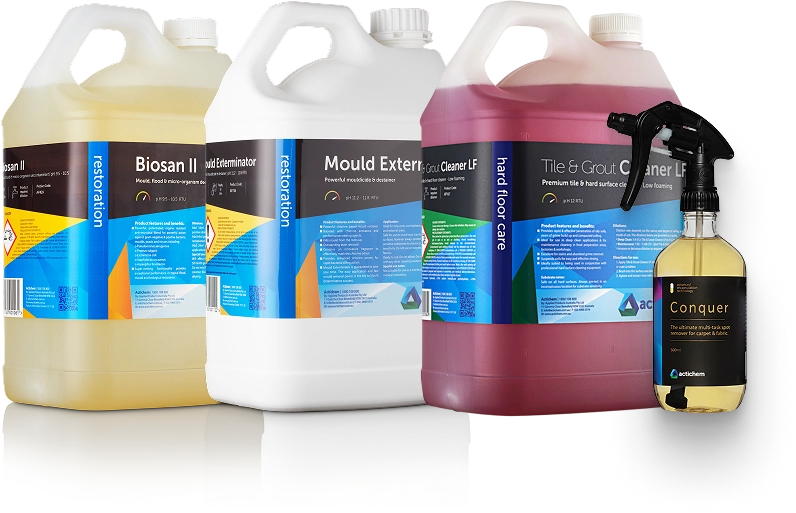
- Dilute Tile & Grout Cleaner LF 1:1 with warm water, or use it undiluted for heavier contamination.
- Apply the solution generously to the affected concrete or stone surface.
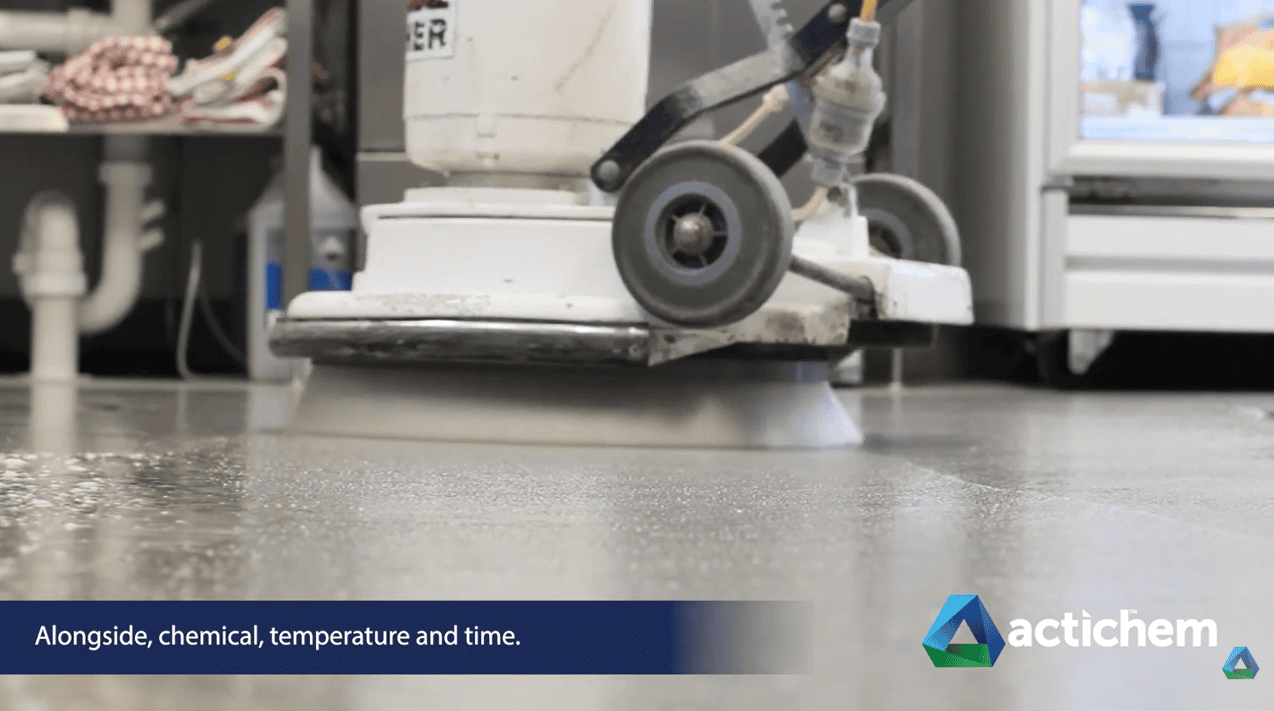
- Scrub the affected area thoroughly with a stiff brush to help work the cleaning solution into the porous surface and lift the oil.
- Allow approximately 20 minutes of dwell time.
- Scrub the area again.
- Rinse thoroughly with clean water.
Acting quickly can make removing stains significantly easier, as fresh oil is less likely to have penetrated deeply into the porous substrate. Routine cleaning and maintenance can also help reduce the risk of oil building up and developing into deep oil stains.
-
Method 2 - Removing Small or Isolated Oil Stains
For isolated stains or smaller affected areas, a more concentrated treatment can be applied directly to the stain.
- Apply Tile & Grout Cream directly to the affected area. Do not dilute or add water.
- Scrub the product thoroughly into the stain.
- Allow approximately 20 minutes of dwell time.
- Scrub the area again.
- Rinse thoroughly with clean water.
This method is particularly useful where only a small section of concrete or stone has been affected by oil.
-
Method 3 - Removing Deep Oil Stains with a Poultice
When oil has penetrated deep into concrete or stone, a poultice can provide a more effective solution. Although this treatment takes longer, it is particularly useful for older stains and stubborn contamination that cannot be removed through surface cleaning alone.
Allowing the absorbent poultice material to remain on the affected area for several hours or overnight gives it time to draw excess oil out of the porous concrete or stone.
- Mix Actisorb with undiluted Tile & Grout Cleaner LF or Actichem POG.
- Combine the liquid and powder until a yoghurt-like consistency is achieved.
- Apply the poultice evenly over the affected concrete or stone surface.
- Leave it to dry overnight.
- Sweep or extract the dried material from the surface.
- Rinse lightly with a neutral cleaner if required.
The poultice works by drawing oil from deeper within porous concrete and stone towards the surface, where it can be removed.
Why Do Oil Stains on Concrete and Stone Sometimes Come Back?
Even after successfully cleaning oil stains from concrete or stone, you may notice the stain reappearing the following day or, in some cases, months later.
This does not necessarily mean the original cleaning process has failed. Oil can penetrate deeply into concrete and stone and remain below the surface. Over time, that oil can slowly wick back towards the surface, causing the stain to become visible again.
If this happens, the affected area may simply require another treatment. In many cases, a second clean is enough to remove the remaining oil and reduce the likelihood of further wicking and future stains.
Need Help with Oil Stain Removal?
Tough oil stains don’t have to become a permanent feature of your concrete or stone surfaces. Whether you are dealing with a fresh spill, an old oil stain or contamination that keeps returning, using the right treatment can make a significant difference.
Watch the video below to learn more about using our Tile & Grout Power effectively, or contact our team to discuss your oil stain removal requirements and find the right cleaning solution for your needs.