Carpets exposed to urine, human waste, animal waste and other organic contamination present a significant hygiene risk.
Effective sanitisation requires more than applying a disinfectant. The process begins with removing as much organic matter as possible because microorganisms remain highly stable when organic residues are present. Organic contamination can also form biofilms, which are protective layers that make microbes much harder to neutralise. A proper sanitisation treatment, therefore, starts with soil removal, followed by correctly applied disinfectant chemistry.
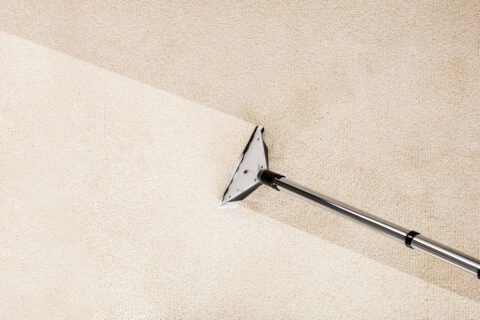
A thorough hot water extraction clean removes the bulk of contamination. If a sanitiser is applied before this step, the organic load will neutralise the sanitiser’s chemistry (power) and reduce its effectiveness. Once the area is thoroughly cleaned, the sanitisation process ensures that any remaining microorganisms are eliminated and the carpet is returned to a safe, hygienic condition.
Follow the guides below to ensure the best results for the Hot Water Extraction Method on carpets.
Why Understanding Disinfection Chemistry Matters
Disinfection performance depends on two key factors:
- Low organic interference, meaning the area must be cleaned first so the sanitiser can contact the microorganisms directly.
- Correct choice of chemistry. Some disinfectants lose effectiveness when they encounter proteins or organic residues, while others are designed to perform well in difficult environments.
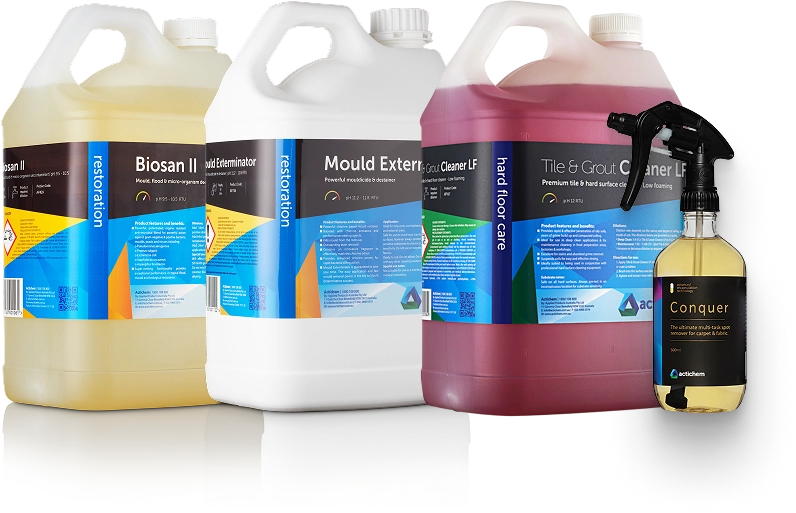
Actichem provides two options suitable for the routine decontamination of carpets exposed to high organic loads.
Recommended Products

A hospital-grade disinfectant that maintains strong action in the presence of residual organic matter. It contains quaternary ammonium compounds which disrupt microbial cell membranes and eliminate bacteria, viruses and mould.
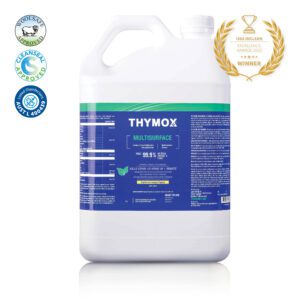
A plant-derived disinfectant based on thymol, with strong broad-spectrum antimicrobial performance. It is stable in the presence of organic residues and ideal for sensitive environments such as aged care, healthcare and animal care facilities.
Both products are suitable for use on water-cleanable carpets including wool, nylon and polypropylene. Pretesting is recommended for delicate fibres.
Equipment
Sanitising carpet does not require specialised machinery; instead, it requires the correct chemistry, controlled application, and thorough removal of contamination.
- Tamping brush
A standard carpet tamping brush is ideal for working the sanitiser into the fibres. The aim is to press the product into the pile, not scrub, which prevents fibre distortion. - Carpet extraction machine
Extraction is essential. Effective sanitisation depends on removing the organic load and chemical residues after the reaction time. Without extraction, microbes and contaminants remain active in the backing and underlay. - Chemicals
A broad-spectrum sanitiser such as Thymox or Biosan II (Diluted 1:32 | 30ml/Lt) delivers the required antimicrobial action. The chemistry compensates for the microbial load present in organic contamination and ensures hygienic outcomes. - PPE
Gloves, eye protection, and appropriate clothing protect the technician from contact with both the soil and the chemical. High-organic environments carry elevated microbial risk, so PPE is mandatory.
The Process
-
Initial Cleaning to Remove Organic Material
Perform a thorough hot water extraction clean to remove as much organic contamination as possible. This is the most important step for effective sanitisation.
Follow the guides below to ensure the best results for the Hot Water Extraction Method on carpets.
-
Prepare & Apply the Sanitising Solution
Dilute Biosan II at 1:32 (30ml/Lt) with clean water, or use Thymox undiluted. Mix well to ensure uniform strength.
Spray the solution evenly over the affected area, ensuring full coverage. The goal is complete contact with the carpet fibres where microorganisms may be present. -
Distribute Through the Pile
Use a carpet rake to work the product into the pile. This improves penetration and ensures consistent sanitising action across the treatment zone.
-
Allow Correct Dwell Time
Leave the solution for 10 to 20 minutes. This contact time is essential for the chemistry to destroy the remaining microorganisms.
-
Rinse and Extract
Perform a final extraction rinse using Rinse Pro (ideal for wool carpets), Emulsifier Plus (liquid product, ideal for portable carpet cleaning machines) or Extracta Pro (powder product, ideal for truckmount machines). This removes residues, restores carpet pH balance, and leaves the carpet safe, clean and ready for drying.
-
Drying and Ventilation
Use air movers to speed drying. A fast dry time reduces the risk of microbial regrowth and prevents secondary odour formation.
Further Notes
-
Special Notes for Delicate Fibres
• Wool: Use warm water only and low-foaming detergents. Avoid strong mechanical agitation.
• Natural fibres such as cotton, jute and sisal: These are highly absorbent and can brown if overwet. Apply sanitiser cautiously and extract thoroughly.
• Blends and synthetics: Generally safe but still pretest for any unusual dye reactions.
Setting Client Expectations: Why Carpets Must Be Cleaned Before Sanitising
Clients often believe applying a disinfectant straight onto the contamination is enough. It is important to explain that disinfection chemistry cannot work if heavy organic deposits remain. Organic matter shields microorganisms, weakens disinfectant action and allows biofilms to persist. The sanitiser is only fully effective after the initial extraction clean removes the bulk of contamination.
Once these steps are followed, the sanitising treatment will deliver a safe, hygienic result suitable for aged care, healthcare, public facilities, rental properties and homes with pets or high traffic.
Where To Buy
Thymox
Hospital grade, thyme botancal disinfectant. High level kill claims, non-hazardous and safe on virtually all water-cleanable surfaces.
Hospital grade, thyme botancal disinfectant. High level kill claims, non-hazardous and safe on virtually all water-cleanable surfaces.
Find a Stockist