Efflorescence is one of the most common issues affecting porous building materials such as concrete, brick, pavers, grout and tiled areas or floors. While the white, powdery deposits may seem like a cosmetic problem, they often indicate underlying moisture issues that should not be ignored.
Whether you’re a professional contractor, facility manager or homeowner, this guide answers the most common questions about efflorescence, including its causes and the most effective treatment methods.
What is Efflorescence?
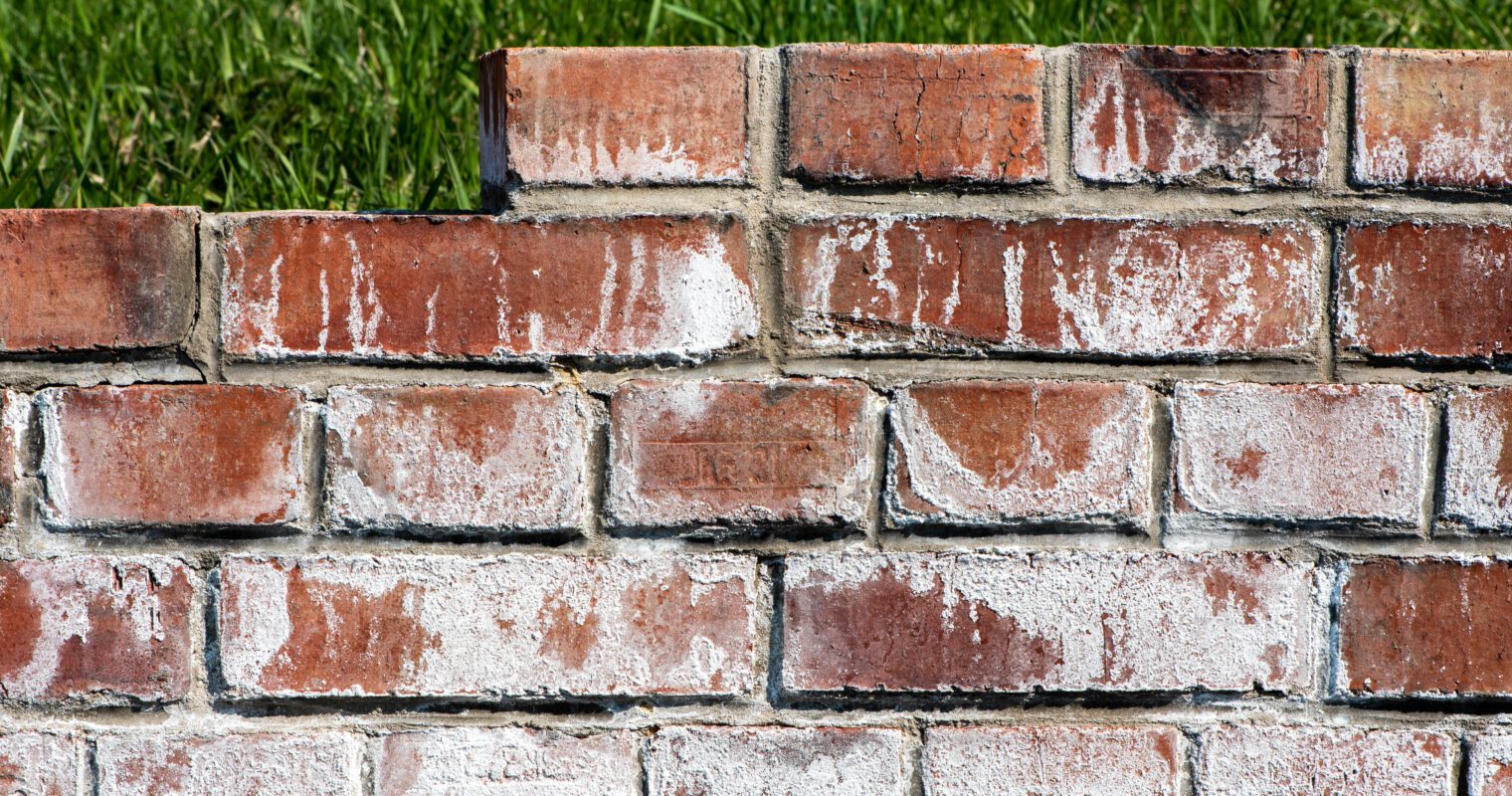
Efflorescence is a white, powdery deposit that forms when water-soluble salts and minerals within cementitious or masonry materials migrate to the surface.
It commonly occurs on:
- Concrete
- Brickwork
- Blockwork
- Pavers
- Render
- Grout
- Tiles
As moisture moves through these materials, it dissolves naturally occurring salts. Once it reaches the surface, the water evaporates, leaving behind the fine white crystalline deposits known as efflorescence. While these deposits are primarily soluble salts, they can sometimes be mistaken for calcium carbonate, which requires different treatment methods.
The appearance can range from a light dusting to heavy crystalline build-up that obscures the surface. In severe cases, prolonged salt crystallisation can contribute to surface erosion, pitting and material deterioration.
-
Primary Efflorescence
Primary efflorescence is the most common type and typically occurs during the early curing stage of new concrete, brickwork, grout and other cement-based materials. It develops when excess construction moisture carries naturally occurring water-soluble salts to the surface as the material dries.
This type of efflorescence often appears shortly after a construction project is completed and is generally considered a temporary condition. Once the excess moisture has evaporated and the available salts have been depleted, primary efflorescence usually becomes less noticeable. While it can affect the appearance of new surfaces, it does not typically indicate a structural issue.
-
Secondary Efflorescence
Secondary efflorescence occurs after the building materials have cured and is usually a sign of an ongoing moisture problem. Rather than being caused by residual construction moisture, it results from water repeatedly entering the substrate through sources such as rising damp, leaking plumbing, poor drainage, groundwater or inadequate waterproofing.
What Causes Efflorescence?
Three conditions are required for efflorescence to occur:
- water-soluble salts must be present within the substrate or mortar,
- sufficient moisture must be available to dissolve those salts, and
- the dissolved salts must have a pathway to migrate to the surface.
Why is Efflorescence a Concern?
The most obvious issue is appearance. White salt deposits can make new tiles or pavement installations appear aged and poorly maintained, and also cause paint to delaminate from surfaces. However, the aesthetic concern is often only part of the problem.
Persistent efflorescence usually indicates ongoing moisture movement through the substrate. This may be caused by rising damp, groundwater, faulty drainage, plumbing leaks or excessive moisture retention
If left untreated, these moisture issues can encourage the growth of mould, mildew, moss and other organic contaminants, while also creating unpleasant odours and unhealthy indoor environments.
Over time, continuous salt migration can weaken cement-based materials by gradually reducing their internal strength, contributing to surface deterioration, damaged tiles and the need for costly repair work if left untreated.
How to Remove Efflorescence
Successful efflorescence removal starts with identifying the type of surface you’re treating.
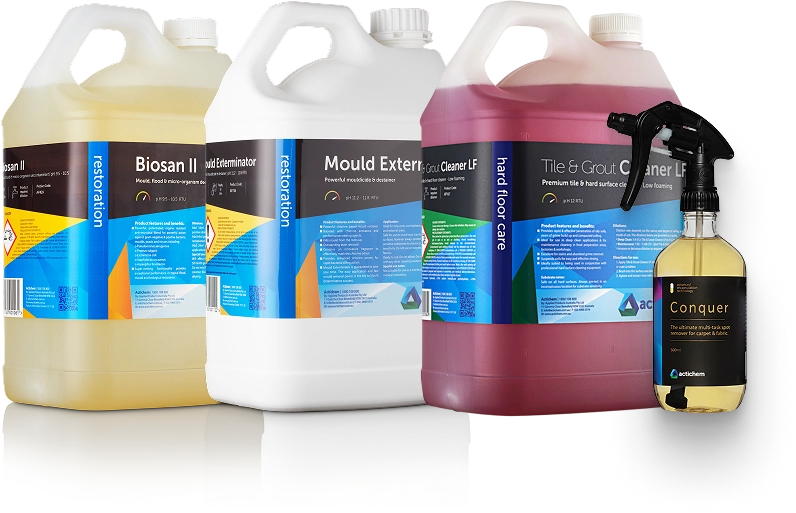
Most masonry, concrete and tiled surfaces respond well to acidic restoration products, such as our Tile & Grout Restore or Grout Restore 60.
For polished or honed natural stone surfaces, use Stone Gel Pro to remove the efflorescence, then rinse the surface with our Tile & Grout Cleaner LF. For textured or unpolished natural stone, an acid may be suitable, but always wet the stone thoroughly first.
-
Step 1: Remove Dry Salt Deposits
Before applying any cleaning solution, remove as much loose crystalline salt as possible by dry brushing using a stiff brush or scraper.
This step is often overlooked but is essential for efficient cleaning. Removing the dry deposits first reduces chemical consumption, minimises the amount of water introduced to the surface and speeds up the restoration process.
-
Step 2: Apply the Cleaning Solution
Once the loose deposits have been removed, select the appropriate cleaning solution for the surface being treated. For man-made tiles and textured natural stone, use Tile & Grout Restore. For polished or honed natural stone, use Stone Gel Pro as directed. If using an acid-based cleaner on textured natural stone, pre-wet the surface thoroughly with clean water before application.
Apply the cleaning solution evenly across the affected area, ensuring it is thoroughly saturated.
-
Step 3: Agitate the Surface
Agitate the solution thoroughly using a stiff brush, scrubbing pad or mechanical scrubbing machine.
Proper agitation helps lift embedded mineral deposits from the surface and improves overall cleaning performance.
-
Step 4: Allow the Product to Work
Allow approximately 10 minutes for the cleaning solution to react with the mineral deposits. Once the dwell time has elapsed, rinse the surface thoroughly with clean water.
Heavily affected areas may require a second treatment to completely remove stubborn efflorescence.
Learn more about removing efflorescence.
Preventing Efflorescence from Returning
Before applying a sealer, it’s essential to identify and address the underlying cause of the moisture. While cleaning removes the visible salt deposits, failing to resolve the source of the problem will often result in efflorescence returning.
Inspect the area for potential moisture issues, including:
- Poor drainage
- Water pooling
- Rising damp
- Plumbing leaks
- Damp walls or surrounding structures.
Once any underlying issues have been resolved and the surface is clean and dry, the most effective long-term solution is to apply a high-quality penetrating sealer to protect the surface.
An effective sealer should:
- Penetrate deeply into the substrate
- Be highly resistant to alkaline cement-based materials
- Remain fully breathable
- Repel water without trapping moisture beneath the surface.
A breathable penetrating sealer creates a durable coating that forms a water-repellent barrier, helping prevent water and dissolved salts from migrating to the surface while allowing trapped moisture vapour to escape naturally. This helps protect concrete, pavers, brickwork, grout and tiled surfaces, even when they are regularly exposed to moisture or covered by outdoor furniture, landscaping or other fixtures. Our Defender range is designed to provide a perfect solution to stop efflorescence in its tracks.
Professional Tile & Grout Restoration Solutions from Actichem
Deliver superior restoration results with Actichem’s professional-grade tile cleaning, grout restoration and sealing solutions. Engineered for commercial cleaners and restoration specialists, our products are designed to effectively remove stubborn efflorescence, restore the appearance of tiled and masonry surfaces, and help prevent recurring salt deposits.
Complete the job with the Actichem Defender range of breathable penetrating sealers, providing long-lasting protection for concrete, pavers, brickwork, grout and tiles by reducing moisture penetration and helping prevent future efflorescence.
Whether you’re tackling post-construction cleans, tile and grout restoration services or ongoing maintenance, Actichem has the professional solutions and technical support to help you achieve exceptional results. Explore the Actichem range or contact our team today to find the right products for your needs.