pH in relation to cleaning
To achieve the best result, it is critical to understand pH in relation to cleaning. We recently held an in-depth training webinar this topic and recommend you watch the webinar recording. It will enhance your knowledge of cleaning and give you more confidence in your decisions. Thus, saving you time and money on processes that didn’t work.
In short, the soiling needs to be neutralised (i.e., clean an acidic soil with an alkaline) for it to be effectively eradicated, as detailed in the image below.
Understanding Urine
To effectively eradicate urine from carpet, we must understand its complex pH nature. When fresh, urine is acidic around 5-6 ph. (Hence the etching and permanent staining on marble floors around toilets and urinals). As it dries, it changes to an alkaline crystal and omits the well-recognised ammonia odour. The pH changes to over 11+, enough to damage natural fibers.

In most cases, urine remediation involves the removal of the uric crystal, an extremely resilient formation. When drying, the uric crystal encases and locks in the odour causing bacteria. If the crystal becomes absolutely dry, it can become odorless. However, as soon as it comes in contact with moisture the mal odour will resume. Bactericides on their own, have little effect on these crystals and the odour causing bacteria is not eliminated.
-
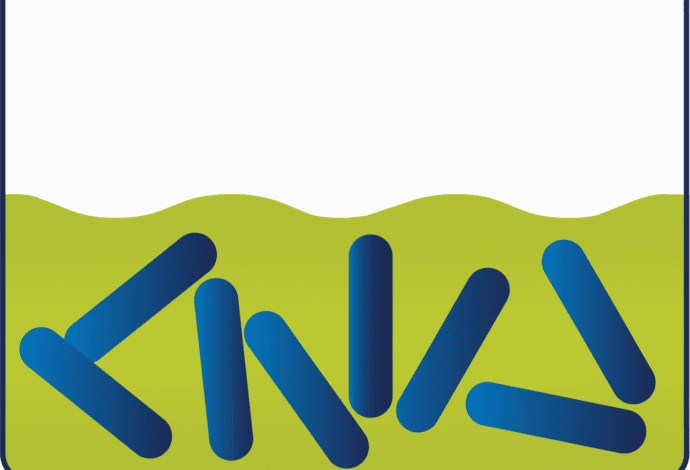
1. Fresh urine & bacteria
-

2. Urine Drying
-
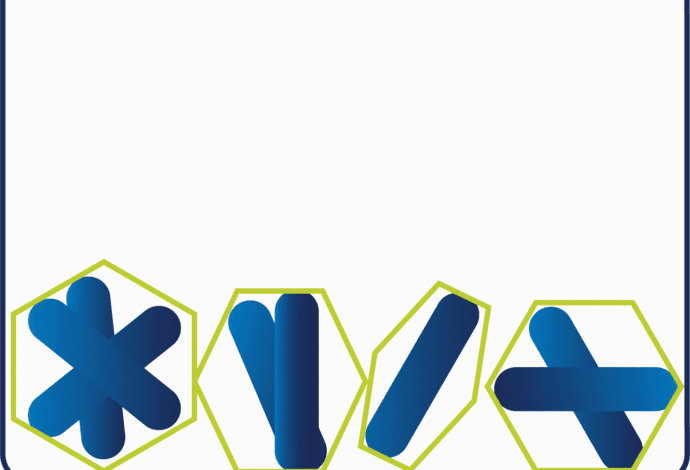
3. Crystalized urine encasing bacteria
Equipment
Eradicating urine doesn’t involve any special equipment, rather the right chemistry and process.
- Tamping brush – Just the usual carpet tamping bush in fine. Basically, any hard bristle brush that can be used to push the product into the carpet. We aren’t wanting to brush the product into the carpet, this will damage the fibres.
- Carpet Extraction Machine – Obviously to get the best results or any results, extraction is crucial. The bacteria needs to be fully removed in order to remove the odour.
- Chemicals – The chemical component of the process is crucial due to pH nature of urine. It will make more sense in relation to the process, so please see below.
- PPE – obviously when working with any chemical and soiling (dirt) always use the recommended person protective equipment aka PPE.
The Process
-
1. Decontamination
To dissolve the uric crystal, you can either use an organic acid such as Pet & Flood or use a bio-enzyme like Deozyme. The treatment breaks down the uric crystal which exposes the encapsulated bacteria to be eradicated by a bactericide or bio-enzyme. The dissolved crystal can no longer emit the ammonia-like odour and can be extracted. For severe cases more than one treatment may be necessary. Simply apply the chemical as directed on the label.
Dilutions:
- Pet & Flood – 1:4 (200ml Pet & Flood per 1lt water)
- Deozyme – Use 30-60ml per litre of water depending on the soiling conditions. For soiling (or bad cases), up to 100ml per litre can be added. If used on sensitive surfaces all pre-test for substrate chemical sensitivity.
-
2. Odour Replacement
By using odour neutralising technology, residual mal odour can be eliminated, and a clean, fresh fragrance provided. The Actichem Elimotech chemistry include this technology, which neutralises mal odours at a molecular level. Decontamination solutions such as Pet & Flood and Deozyme include this Elimotech technology.
Tip: We highly recommend doing this step, as often the client will say they can still smell urine even though there is no urine left in the carpet. This is because the olfactory senses in the brain keep telling the person that the room smells like urine. The easiest way to overcome this is to replace the smell with new, clean fragrance.
Dilutions:
- Deozyme – Same as step 1.
- Deostor Organic – This is a concentrated Elimotech Technology formula, focused on eradicating organic odours. Add 10-30ml per litre of your decontamination product (Pet & Flood and Deozyme both have this technology included). If used by itself, add 20-40ml per litre of water dependant on odour conditions. For severe situations, mix 50ml Deostor Organic + 10ml Deostor Extreme per litre of water.
-
3. Stain Removal
If the urine stain is still present after the decontamination process, the use of hydrogen peroxide is normally successful. Hydrogen Peroxide oxidizes the urine colouring called urochrome. This oxidisation results in harmless residual elements and does not require rinsing. A 3-5% solution of hydrogen peroxide is generally sufficient. The formulated hydrogen peroxide solutions, Spotaway U and Conquer O2 are ideal for this application.
Dilutions:
- Conquer O2 – Ready to use.
- Spotaway U – Ready to use.
For more information on using hydrogen peroxide, please see the appendix at the bottom on this blog.
Further Notes
-
Combine steps
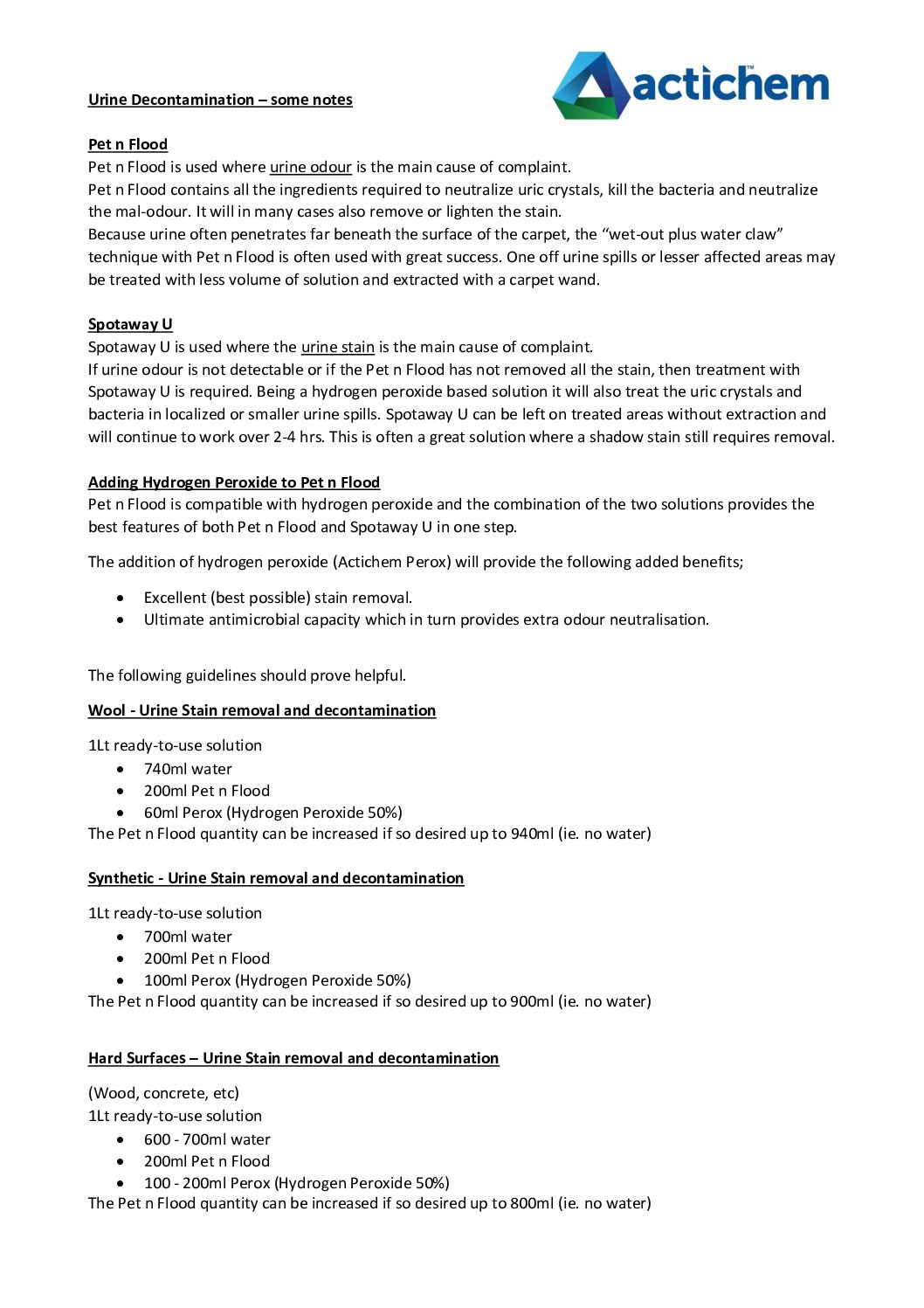
Add 60-100ml of Hydrogen Peroxide 50% to Pet & Flood, boosting its stain removal performance. By doing this, it can combine the two steps into one.
-
Enzymes
Enzyme based decontaminators are a viable option for off-site rug cleaning operations and in-house cleaning.
-
Stain not removed
If the stain is not totally removed, it is very likely the highly alkaline crystal has damaged the fibres. Therefore, nothing more can be done to rectify this situation.
-
Gummy carpets
A constantly urine saturated area may contain a build-up of cholesterol and oils. The fibre will feel gummy, affecting your cleaning. One way to overcome this, is to use a prespray like Performance Plus.
-
Staining
When removing the stain, always keep in mind the type of animal, it’s age and what it has recently ingested. These factors will affect the severity and stubbornness of the stain.
-
Wet out claw
Because urine often penetrates far beneath the surface of the carpet, the “wet-out plus water claw” technique with Pet n Flood is often used with great success.
-
For severe cases
Use an enzyme-based odour neutraliser, such as Deozyme, to fully decontaminate all layers of the carpet. The enzymes will digest the uric crystal, removing the odour and often the stain. Although enzymes take time to work, they will continue to decontaminate long after the cleaning is complete. Making it a great solution for decontaminating inaccessible places.
Choosing the right urine treatment
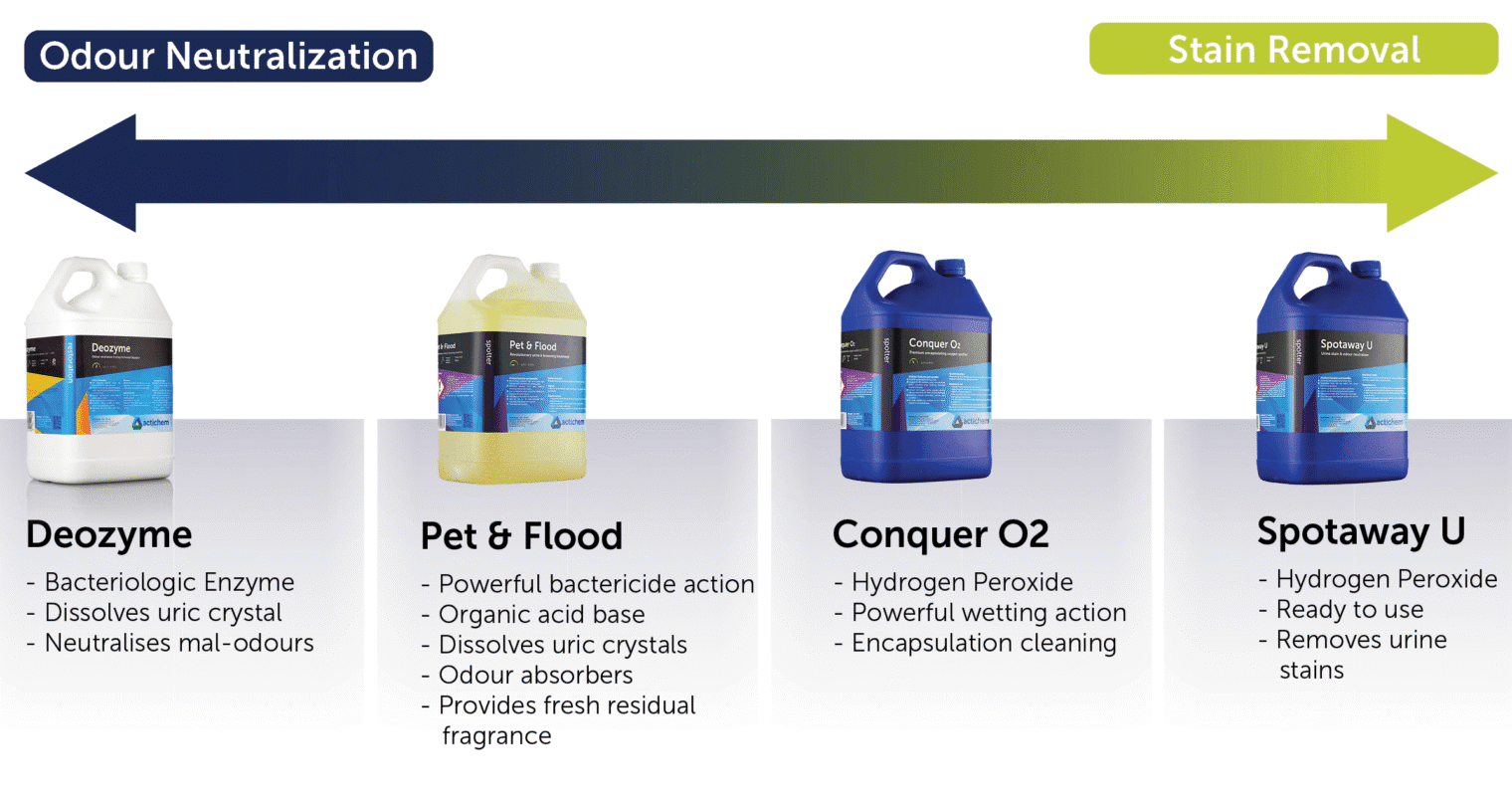
Depending on the situation will depend on what type of product you use. The chart below outlines the different strengths each product has in the urine eradication situation.