Oil stains on carpets can be one of the most challenging issues professional carpet cleaners and facility managers face. Whether it’s a small spill from a cooking mishap or a more significant stain from a motor oil leak, knowing how to tackle these stains effectively is crucial.
Understanding the Differences Between Oils
When it comes to removing oil stains from carpet, it’s essential to recognise that not all oils are created equal. Cooking oils and motor oils have different properties, and each type requires a specific approach for effective removal.
Cooking Oils and Fats
Cooking oils and fats, such as olive oil, butter, and lard, are organic and acidic in nature. The most effective solution to remove these stains is an alkaline cleaning agent such as Protein Spotter. This will efficiently emulsify and saponify these oils, releasing them and suspending them from the fibres, ready for flushing away.
Motor Oils and Grease
On the other hand, motor oils and greases have no pH. They require a solvent, such as Orange Solvent or Citrus Gel, to break them down effectively. Using an alkaline cleaner on these types of stains won’t be as effective, especially for compacted, old or large deposits.
Using the wrong chemistry on an oil stain will not only lead to disappointing results but may also cause the stain to spread and seep deeper into the carpet. This is why understanding the chemical properties of the stain is crucial for effective cleaning. To learn more about how pH affects cleaning and the best chemicals for different types of soiling, check out our webinar recording “Acids to Alkalis.”

Equipment

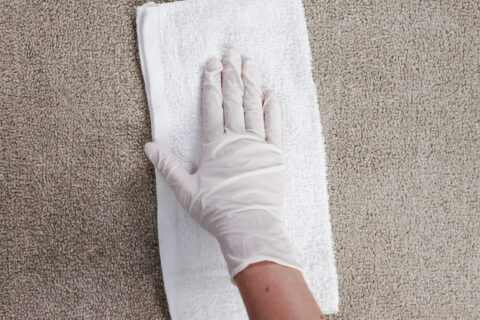
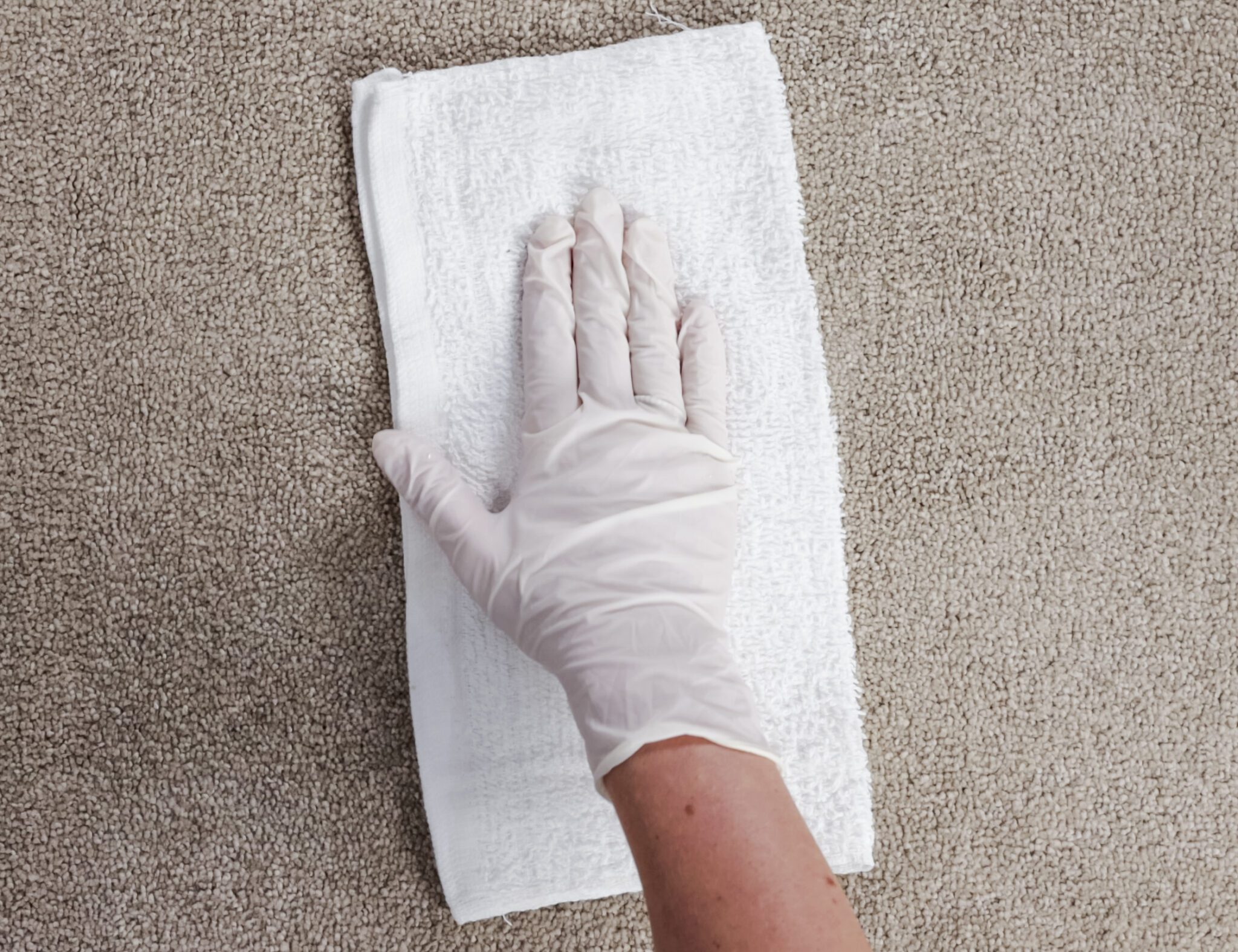
- White Terry Towel – Minor spills can be blot treated with the aid of a terry towel, using the absorbency to transfer the stain off the carpet. By using a white towel, no other pigment will bleed onto the carpet.
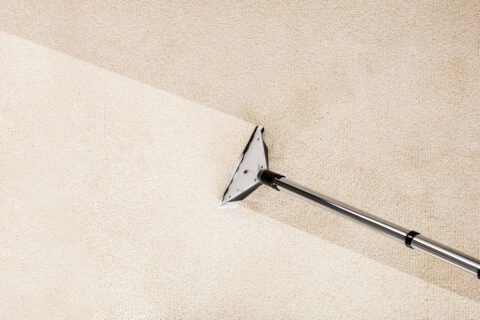
- Wet Extraction Machine – Larger spills should be treated using a wet extraction machine. This will minimise the risk of wick back and ensure an effective solution.
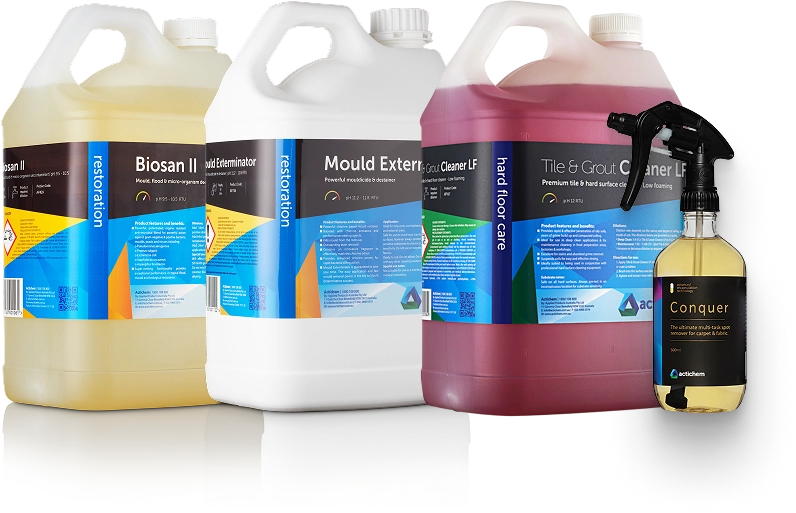
- Paint Stain Removal Chemical – For removing cooking oil, fats, lard and butter from carpet the unique alkaline/solvent blend, make Protein Spotter incredibly effective. This specialist chemistry emulsifies, saponifies and emulsifies these stains, releasing them from the fibres and enables effective removal. The high quality wetting and penetrating technology further promotes successful stain removal.
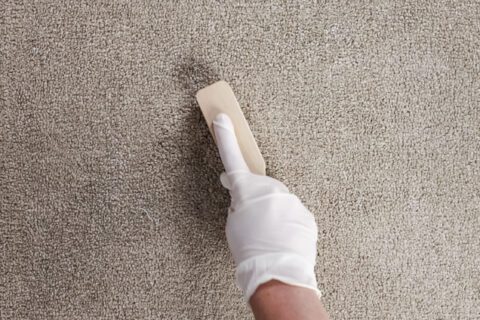
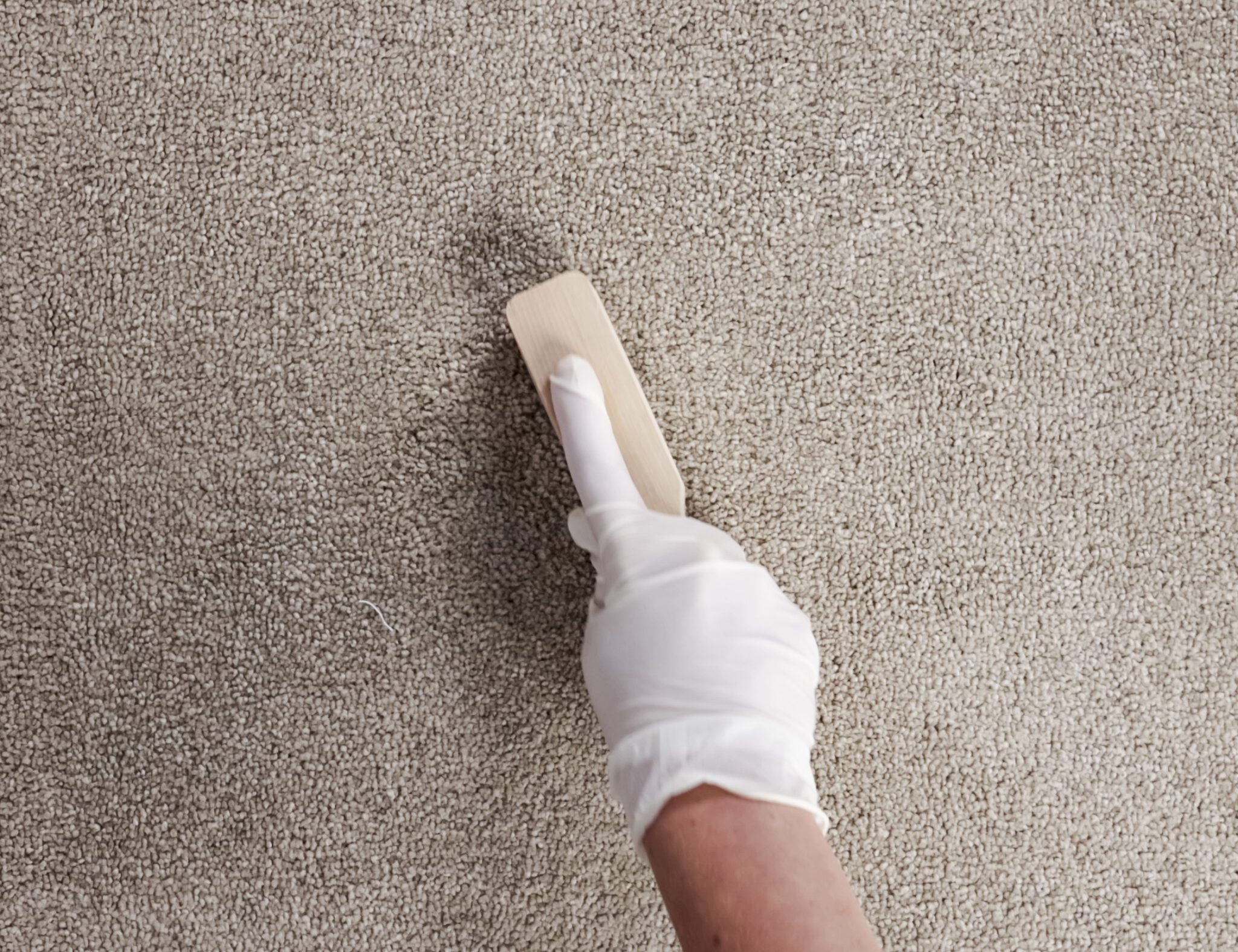
- Spotting Brush – When agitating a carpet, don’t use the brushing motion as it will damage the carpet fibers. The best method is to tamp or firmly roll the brush over the stain.
- PPE – All the necessary PPE needs to be use when working with chemicals
The Process
-
Application
Dampen a dry, white absorbent cloth with Protein Spotter (or Actichem Bust diluted 1:4) and blot onto the stained area.
-
Agitation
Agitate the oil stain by tamping up and down with a spotting brush to maximise penetration.
-
Dwell
Allow 5 minutes dwell time.
-
Extraction
Rinse and extract the carpet with a wet extraction machine.

-
Repeat
Repeat steps 1-4 if required. This process may need to be repeated 2 to 3 times if a large amount of oil was spilt. Focus on vacuum extraction to remove oily material from the base of the carpet. Avoid overworking the stain and causing fibre distortion.


Further Notes
-
Alternative Solutions
a. Wool and delicate fibres – replace Protein Spotter with Actichem POG, Citrus Gel or Actichem VDS.
b. Encapping Process – If encapping or using a low moisture cleaning procedure, use Actichem VDS or Conquer in place of Protein Spotter.
c. If the oil stain is not responding to the Protein Spotter, it is likely the oil is an auto oil or one without a pH. Therefore, use the Actichem POG or Citrus Gel. These two products are solvents and are designed to remove tough oily spots, tar, gum, bitumen and cosmetics. -
Avoid Spraying Solvents Direct to the carpet or fabric
If a solvent is sprayed directly onto the carpet or fabric, the oil stain will dissolve and become mobile causing it to quickly spread further and deeper into the fibre. Avoid this by pre-wetting an absorbent cloth with the solvent and blotting it onto the affected area.
-
Blot, Don’t Rub
When dealing with oil stains, avoid rubbing the stain as this can cause it to spread further. Instead, blot the stain gently with a clean cloth to absorb as much oil as possible before applying your cleaning agent.
-
Check for Deep Penetration
In cases of large spills, the oil may have soaked through the carpet fibers into the backing and underlay. Even if you successfully remove the stain from the carpet surface, the oil trapped underneath can resurface over time due to foot traffic, causing the stain to reappear. In such cases, a more thorough cleaning may be required, potentially involving the removal and replacement of affected underlay sections
Where To Buy