Effective odour removal on upholstery and fabrics begins with eliminating the odour source.
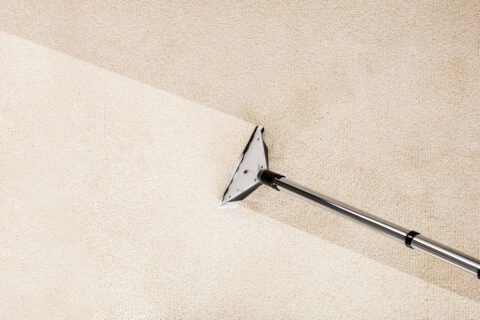
The first step is a full hot water extraction clean of the furniture item. This removes the majority of organic contamination such as urine, human waste, pet residues, food spills and general organic soiling.
If an odour remains after the initial clean, it indicates that deeper organic material is still embedded in the fabric pile or in the padding beneath the upholstery cover. Organic residues can settle into foam, wadding, stitch lines and frame junctions. At this stage, additional chemistry is required to break down and neutralise what remains. This is where enzyme technology becomes essential.
Why Enzymes Are Needed for Complete Odour Removal
Odours from urine, waste and decaying organic matter come from complex organic compounds. Regular detergents and extraction alone cannot break these compounds apart, which is why lingering odours persist.
Why enzymes?
Enzymes step in where standard cleaning can’t. These are biological catalysts (tiny, specialised proteins that speed up chemical reactions) that break down the remaining organic matter into particles that no longer produce odour. They break down the components of urine residue, sweat, vomit, and other organic waste so bacteria can no longer feed on them and create malodours (bad smells).
This is a different technology from hot water extraction. Extraction removes; enzymes digest. Together, they give you complete odour control, not a temporary “it smells better for now.” Enzymes work slowly and methodically. They must stay wet on the fabric to remain active. This ensures the final traces of organic contaminants are eliminated.

An enzyme-based odour neutraliser with four active enzymes and specialised Bacillus organisms. It breaks down organic contamination in fabrics, padding and hard-to-reach internal layers. Suitable for all water-cleanable fabrics including wool, cotton blends and synthetics. Pretesting is recommended for delicate fibres.
Once enzymes assist in breaking down the organic matter, odour-neutralising agents take care of what’s left. These compounds bind to odour molecules and render them non-volatile (meaning they can’t evaporate into the air), which stops them from being detected.
Some products, like the Deozyme, also include hydrophobic agents (repels water) that help keep moisture away from the treated fibres so bacteria can’t reactivate and restart the odour cycle. This is especially important in areas where spills or accidents recur, like aged-care, childcare or hospitality settings.
Equipment
- Deozyme, diluted 1:16 (60ml/Lt)
- Pump-up or electric sprayer
- Soft agitation brush or carpet rake
- Wet extraction machine / HWE machine
- Air movers or adequate ventilation
- PPE as required for contaminated environments
The Process
-
Pre-inspection and Testing
Assess the fabric type and contamination level. Pre-test in a hidden area to confirm fibre and dye stability.
-
Initial Hot Water Extraction Clean
Complete a full upholstery clean using the hot water extraction method. The goal is to remove as much of the physical contamination as possible before applying enzyme chemistry.
See ‘How to clean upholstery from organic soils | Hot Water Extraction Method’ for more information. -
Prepare and Apply Deozyme Solution
Dilute Deozyme at 1:16 with clean warm water. Shake well before using to activate suspended enzyme content.
Apply the solution to the entire affected area. Ensure the fabric is fully wetted so the product can penetrate into the padding. Avoid applying so much liquid that it runs into timber frames. -
Agitate for Distribution
Use a soft upholstery brush to gently work the product into the fibres. This improves contact with deep-seated contamination.
-
Dwell Time for Enzyme Activation
Allow a dwell period of 30 minutes. Keep the area damp with a light mist of product as needed. Enzyme activity requires moisture to function.
-
Hot Water Extraction Rinse
Extract thoroughly with clean water using controlled pressure. Aim to remove as much suspended contamination as possible.
-
Residual Treatment for Ongoing Odour Control
On severe odour jobs, apply a light post-spray of Deozyme at 1:100. This continues the digestion process as the fabric dries and helps with airborne odour neutralisation.
Further Notes
-
Special Notes for Delicate Fabrics
• Wool and wool blends: Use warm, not hot, water. Avoid over-wetting.
• Cotton and linen: Pre-test carefully. These fibres can brown if overwet.
• Silk and rayon: Use minimal moisture and avoid enzyme dwell times longer than 10 to 15 minutes.
• Microfibre: Safe for enzyme treatment but avoid excessive agitation which can raise the nap. -
Drying and Ventilation
Speed-dry with air movers. Fast drying preserves fabric quality and prevents secondary odour issues.
-
Importance of Full Source Removal
The most common reason odour returns is incomplete removal of the contamination. Always flush thoroughly and dry completely.
Important Note
Clients often believe an odour remains even when the contamination has been fully removed. This occurs because the olfactory system (sense of smell) can retain a memory of strong odours such as urine or waste, causing the brain to perceive them even when they are no longer present.
A scent-reset step resolves this. Applying a light mist of Deostor Extreme or Deozyme in the room introduces a clean fragrance. When the client re-enters the space, their olfactory sensors (sense-of-smell receptors) register the new scent, breaking the mental association with the previous odour and confirming that the upholstery has been successfully restored.
Where To Buy